 By Admin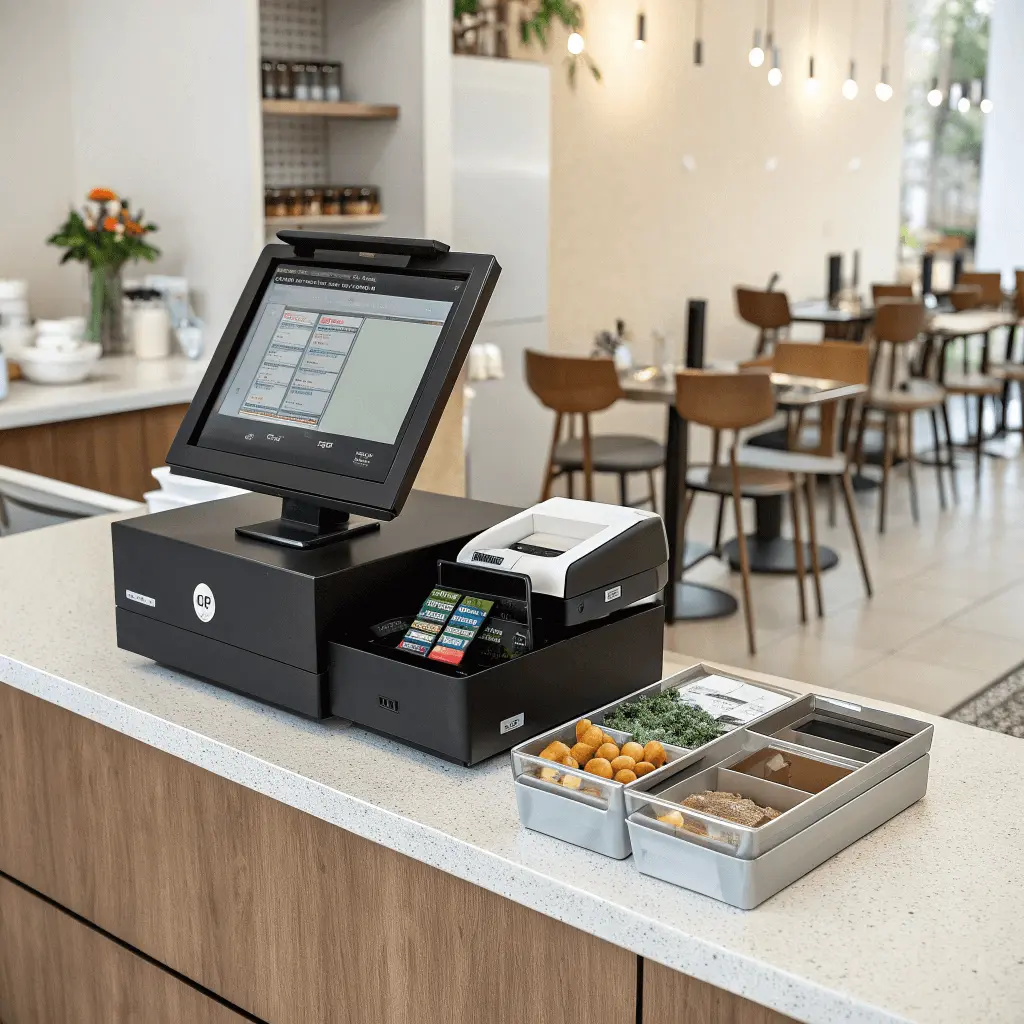
If you’re reading this in 2026, you already know that the hospitality “vibe shift” wasn’t just a phase. The days of the point-of-sale being a glorified calculator are well and truly in the rear-view mirror. In our current landscape, a restaurant POS isn’t just where you take money; it’s the “operating system” for your entire venue.
With 78% of restaurants entering 2026 reporting significant understaffing issues (HeyHire 2026 Labor Report), your tech stack has to do more than just process orders; it has to be your most reliable floor manager, your sharpest accountant, and your fastest server.
Whether you’re running a boutique bistro or a high-volume gastro-pub, here is your non-negotiable checklist for the 2026 restaurant POS era.
What Exactly Is a Modern Restaurant POS?
At its core, a restaurant POS is a combination of hardware (terminals, handheld devices, QR scanners) and software that:
- Takes and processes orders
- Accepts payments
- Tracks inventory
- Manages staff and shifts
- Generates real-time insights
Today’s systems go further: they integrate with online ordering, loyalty programs, delivery platforms, and even AI analytics.
“In 2026, a POS is less a point of sale and more a point of intelligence.”
2026 Restaurant POS System Checklist
Here is what every operator should demand before signing up.
1. Cloud-First, Always Connected
Gone are the days of on-premise-only systems. Cloud-based POS offers:
- Sales and inventory remote monitoring.
- Uninterrupted auto backups and updates.
- Multi-site synchronisation
- Tip: Check the vendor’s uptime guarantee and offline mode support – your POS should continue to work even when the internet fails.
2. Easy-to-use Interface and Dashboard
A messy dashboard slows staff and causes errors. Your POS should show:
- Daily sales at a glance
- Top-selling items
- Staff performance reports
According to the operators, rapid staff onboarding is directly linked to lower training expenses, particularly when the service is busy.
3. Real-Time Inventory in Sync
Inventory management goes beyond stock levels. It must:
- Automate low-stock alerts
- Track waste and expiry
- Suggest reorder quantities
The effective application of this feature can reduce food waste, a major KPI for margins.
4. Seamless Payment Options
The pandemic accelerated adoption permanently. Nearly half of all restaurant operators, 49% intend to invest in contactless ordering and payment options in 2025, and 30% of restaurants are planning to invest in self-order and self-pay technologies according to the National Restaurant Association data.
Must-Have Payment Options:
- Contactless card payments
- Mobile wallet support (Apple Pay, Google Pay, Samsung Pay)
- QR code ordering and payment
- Self-service kiosk integration
- Buy-now-pay-later services (Afterpay, Zip)
- Split payment capabilities
Checklist Question: Does the system support all current payment methods your customers expect?
5. Full Automation Online and Mobile Ordering
In either takeaway or delivery, your POS should address:
- Your online ordering system.
- Third-party delivery service providers.
- Self-ordering kiosks via QR
This will ensure the orders reach a single location rather than a mess of applications.
6. Loyalty & CRM Tools
A POS that has an inbuilt CRM can allow you:
- Monitor customers’ visits and favourites.
- Send targeted offers
- Build loyalty tiers
This makes your POS system a repeat-business machine.
7. Robust Reporting & Analytics
No data is insight, your POS is supposed to provide:
- Sales by item/category
- Peak hours charts
- Labour cost vs sales ratios
- Customer behaviour trends
Smart analytics will help you make decisions before you get hurt.
8. Staff Scheduling & Performance Metrics
Modern POS platforms replace standalone staff tools by offering:
- Real-time timesheets
- Sales vs labour reports
- Clock-in/out tracking
This improves profitability and reduces administrative friction.
9. Security & Compliance as Standard
Your POS must:
- Be PCI-DSS compliant
- Encrypt data end-to-end
- Offer role-based access
Security is not optional; it’s a trust issue with customers.
10. Reliable Support & Onboarding
Ask about:
- Dedicated NZ support teams or partners
- Training resources (videos, manuals)
- Local hardware installation
Nothing is worse than a feature-rich POS that you can’t get anyone to help with.
Bonus: Emerging Trends You Should Know
- AI & Predictive Inventory: Some systems now suggest stock levels for peak trading based on weather and local events.
- Tableside Ordering: Mobile handheld POS devices save steps and delight diners.
- QR & Self-Service Ordering: A growing proportion of urban diners, especially Gen Z, expect to order without waiting at the counter.
Common Mistakes Operators Still Make
Even in 2026, many restaurants:
- Choose POS systems based on price alone
- Underestimate integration complexity
- Ignore staff usability during selection
- Fail to plan for future channels
- Treat POS as “IT” instead of a strategy
A POS that frustrates staff or limits growth quickly becomes expensive, no matter how cheap it looks upfront.
The 2026 Decision Framework
Use this prioritisation matrix for your restaurant pos evaluation:
Critical (Must-Have):
- Cloud-based architecture with offline mode
- Multi-channel integration capabilities
- Kitchen display system compatibility
- Real-time analytics and reporting
- PCI-compliant payment processing
Important (Should-Have):
- Mobile POS functionality
- Loyalty program integration
- AI-powered insights
- Self-service kiosk support
- Comprehensive training resources
Nice-to-Have (Consider):
- Augmented reality features for training
- Advanced predictive analytics
- Custom API development options
- White-label capabilities
Making the Right Choice
The restaurant POS system you choose in 2026 will shape your operations for years to come. Early adopters of sophisticated systems gain advantages that compound over time through better data, more efficient operations, and superior customer experiences.
Don’t let analysis paralysis delay your decision, but don’t rush into commitments based on sales pressure either. Use this checklist systematically, involve your team in testing, and prioritise features that directly impact your specific operational challenges.
The right restaurant pos system becomes invisible through efficiency, whilst the wrong one creates daily friction that bleeds profitability through a thousand small inefficiencies. Choose wisely.