 By Admin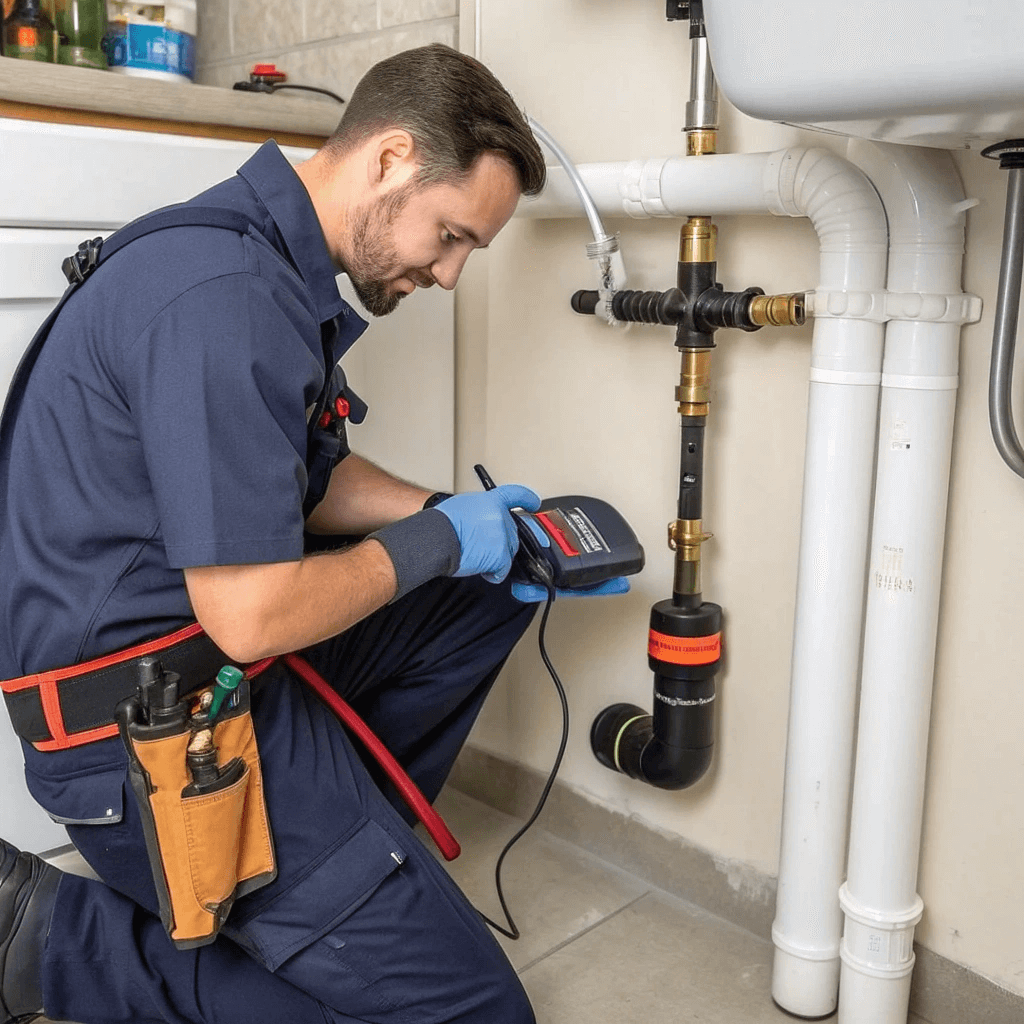
Homeowners at Dee Why suffer from many annoying plumbing problems, but hidden leaks are the worst. Most of the time, they begin behind walls, under floors, in pipes – and before you sense there is something wrong, the damage has been done. When a leak goes unnoticed, it can end up rotting wood, producing mold, and weakening structural elements of the house, as well as drawing high water bills, thus making a simple repair a big one.
Plumbers in Dee Why use modern resources, diagnostic practices, and specialist technology for identifying leaks before they turn into a major disaster. Through these techniques, the plumbers have the ability to identify the leak source accurately, often without much digging or wall removal.
Read on to learn more about the major techniques that Dee Why plumbers use to detect hidden leaks early to prevent structural damage and save property owners a lot of money.
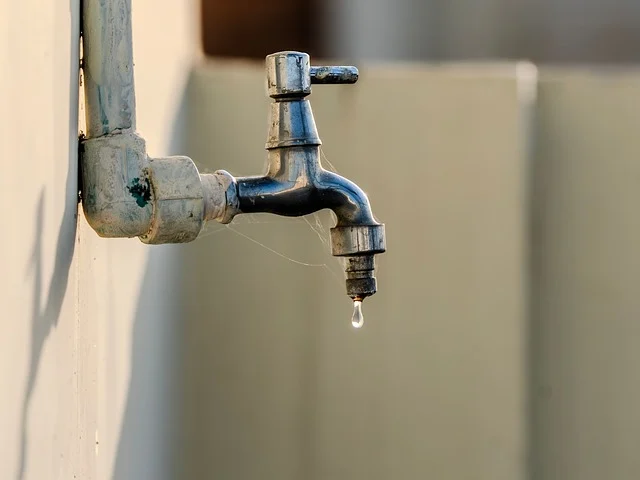
1. CCTV Drain-Camera Inspections
One of the best ways to find hidden leaks is through CCTV drain-camera inspections. A waterproof camera that is small enough to enter manholes, stormwater drains, sewer lines, and pipes is used by plumbers to find out what is going on inside in real time. This camera conveniently records various pipe issues, such as joints, bends, blockages, entry points by tree roots, cracks, corrosion, and collapse. Plumbers in Dee Why can quickly determine the exact location of a leak without any digging or guesswork due to this visual approach.
On top of that, getting homes with trees or aged homes inspected is essential because the pipes will not get damaged, and thus need to be inspected. By inspecting inside the pipes, plumbers can develop a plan for the correct fix and prevent future leaks.
2. Acoustic Leak Detection
Acoustic leak detection is another highly advanced technique that plumbers in Dee Why use to identify hidden leaks. Acoustic listening devices allow you to hear sounds that happen underground or above ground. When pipes leak, a plumber can often find the breach by listening to the sounds the water escaping the pipe makes. To make the sounds clearer, they use sensitive microphones and electronic ears. The sound is analyzed to pinpoint the location of the leak.
This method is especially useful when leaks occur underground or in locations that are difficult to access. Acoustic and hydrostatic leak detection technology is useful in special areas where energy supply is critical to avoid downtime and collisions.
The non-destructive nature of acoustic leak detection can save a lot of time and unnecessary digging or demolition. Due to this accuracy, a plumber can diagnose the problem early and limit damage to structures, water wastage, and repairs.
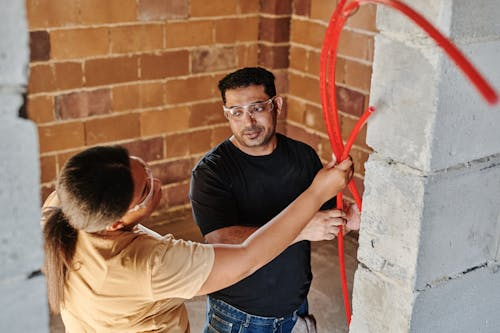
3. Thermal Imaging Scans
You can’t see leaks with your own eyes, but with thermal imaging scans, you can. The plumbers in Dee Why utilize infrared cameras to identify temperature variations on the rear surface of objects. Water leaks can often cause changes in temperature. The leak that causes moisture to enter an area cools it or warms it in a way that the surrounding materials do not. The camera is capable of taking colour-coded thermal images.
That said, the plumbers will follow this route to check the course of the moisture and see where it is coming from without cutting into it. This technology is very good at detecting leaks in pipes that are used for carrying hot water, underfloor heating, or other invisible pipes. Thermal imaging helps lower the damage and speed of diagnoses. It also ensures that the issues can be rectified before any mold growth or damage to the building occurs.
4. Moisture Meter Testing
Plumbers in Dee Why use moisture meter testing to detect dampness due to hidden leaks in houses. It is a simple process. Moisture meters measure the content of timber, plasterboard, concrete, and tiles, among other materials. If levels are above normal, it means there is water in a place where it should not be.
Similarly, moisture meters assist plumbers in assessing the depth of water damage. They help determine if the leak is still active or just moisture from the previous leak.
Often, homeowners will see the walls have discoloured, the skirting boards have swollen, and there is a musty smell, but cannot find the leak. A plumber can map moisture patterns to assess the severity of the situation and discover what diagnostic tools or repairs are needed.
5. Pressure Or Tracer-Gas Testing
If the leaks are too small to be detected with other methods, the plumber uses pressure testing or tracer-gas testing. Pressure testing is when isolation of a section of pipework occurs, then the pipework is pressurized, and the pressure is monitored to see if it drops. If it does, you have a leak. It is beneficial for the leak detection of the water supply line.
Additionally, tracer-gas testing is a little more elaborate. A harmless mix of gases, often with a little hydrogen or nitrogen, is brought into the pipe system. When there is a leak, gas travels through the narrowest holes to reach the surface, where sensors can detect it.
This method is very precise since it locates a hairline crack. It’s perfect for homes with complex plumbing or for leaks that create a mess but don’t register on a standard tool. Plumbers can verify leaks with pressure or tracer-gas testing. 12 words.
6. Smart Water-Usage Monitoring
As homes become increasingly connected, smart technology has become a powerful tool for early leak detection. The inside of the house relies on technology to keep track of water consumption. These gadgets can warn people if the use is unusual, like a continuous water flow at night, a spike in usage, or constant usage with taps switched off. Alerts are generated and sent to the homeowner or plumber when abnormalities are detected.
Dee Why plumbers usually recommend these systems for long-term prevention. They are a source of useful information for detecting latent leaks before any damage has occurred. A smart monitoring system is especially useful for a holiday home or for a busy house with plumbing issues. Water leak detectors provide you peace of mind, help in preventing waste of water, and allow homeowners to take action quickly.
Conclusion
Hidden leaks can be silent, destructive, and expensive, but modern detection technologies give Dee Why plumbers the tools they need to uncover problems early. There are many pieces of equipment you can use to ensure your property is well-maintained. CCTV, listening devices, thermal imaging, pressure tests, smart monitoring, and moisture detectors are helpful for pipe inspection and locating leaks.
Therefore, understanding the operation of treatment procedures aids comprehension of the importance of intervention and diagnostics. If you can find leaks from your pipes, fittings, or appliances before it’s too late, not only do you save yourself money, but you also protect your home’s health and safety.