 By Admin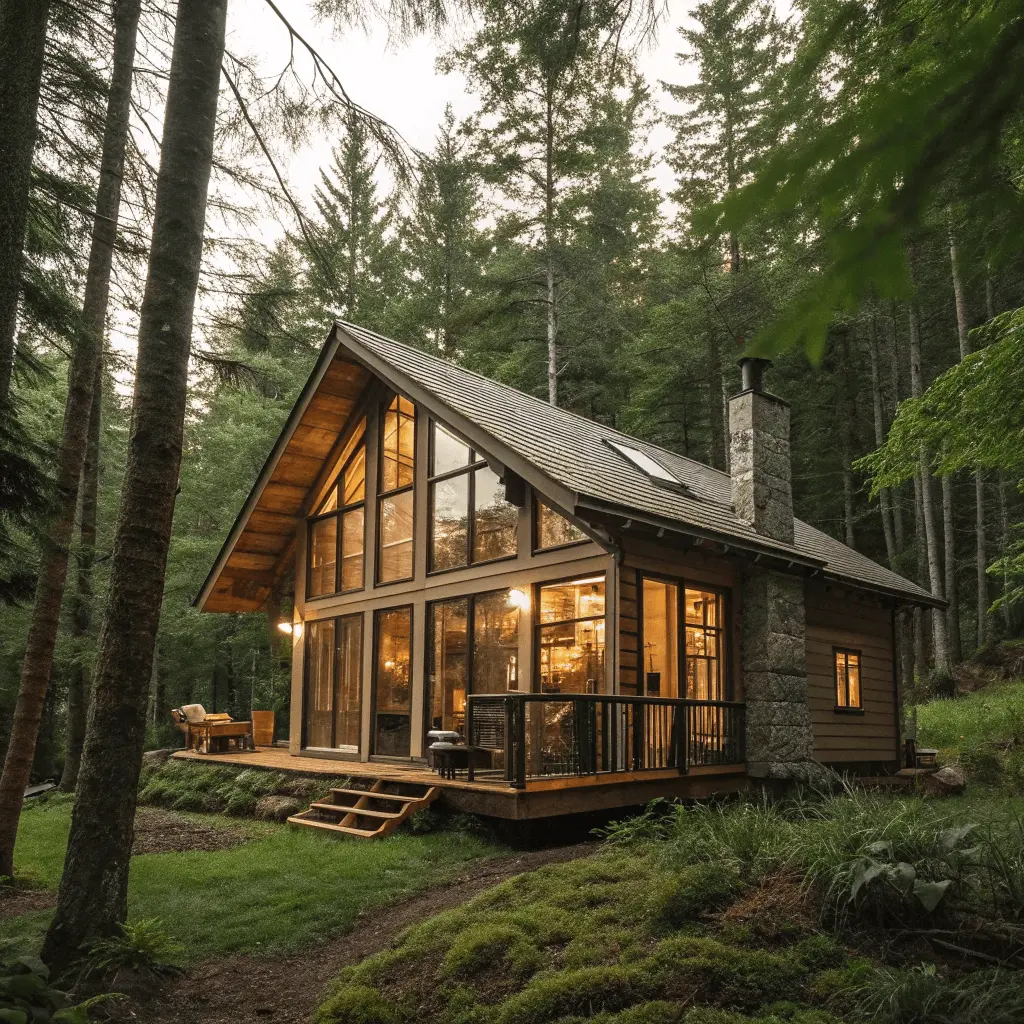
Small cabins and tiny houses don’t feel restrictive because of their size. They feel restrictive when the surrounding space isn’t working with them. The most successful small builds extend beyond their walls, using the land itself to create openness, function, and visual breathing room.
When interior square footage is limited, site planning becomes part of the architecture.
Shaping the Land to Support the Structure
A small home placed on uneven ground can feel disconnected from its surroundings. Slopes restrict how outdoor areas are used, limit furniture placement, and often create drainage issues that show up later. Addressing grade early in the design process changes how the entire property functions.
Terracing, leveling, or reinforcing slopes can unlock usable square footage without expanding the footprint of the home. Before committing to structural changes, it’s practical to understand typical retaining wall costs so site improvements are built into the overall plan rather than treated as unexpected extras.
When elevation is handled intentionally, outdoor areas feel deliberate—patios sit flat, seating areas feel grounded, and gardens have defined structure.
Designing for the Realities of Rural Living
Many small homes are built in wooded or semi-rural settings, where the landscape is part of the appeal. But natural surroundings come with natural challenges. Deer and other wildlife can quickly undo careful planting and garden planning.
Instead of reacting after damage happens, it makes more sense to plan for protection from the start. Integrating fencing designed to deter deer into the layout preserves vegetable beds, young trees, and perimeter plantings without closing off the property. When chosen thoughtfully, protective fencing blends into the landscape and maintains the openness that makes small properties feel expansive.
Creating Outdoor Rooms That Feel Intentional
Small homes benefit from outdoor areas that function like defined rooms. A gravel courtyard, a timber deck, or a simple stone seating nook can create structure without heavy construction. When positioned thoughtfully in relation to the cabin, these spaces naturally extend daily living outdoors.
Defining zones with subtle elevation changes, built-in seating, or planted borders adds depth and visual rhythm. Even modest landscaping choices can make a compact property feel layered rather than limited.
Choosing Materials That Age Well
In small builds, material choices carry more visual weight. Simple, durable materials often create the strongest impact. Natural wood siding, metal roofing, stone accents, and exposed structural elements bring texture without overwhelming the design.
Exterior features should feel like an extension of the cabin’s character. When retaining structures, pathways, and fencing share a cohesive material palette, the entire property reads as one unified design rather than a collection of separate additions.
Planning for Long-Term Usability
Small-home living rewards foresight. Drainage paths, foot traffic patterns, seasonal sun exposure, and maintenance access all influence how comfortable the space will feel over time. Addressing these factors during the planning stage prevents frustration later.
By treating the landscape as an active component of the build—not just background scenery—homeowners create a property that works as hard as the structure itself.
Thinking About Scale and Proportion
Small homes magnify proportion mistakes. Oversized hardscaping, bulky fencing, or large retaining structures can overwhelm the cabin and make the property feel tighter rather than more expansive. Keeping exterior features scaled to the footprint of the home maintains visual balance.
Path widths, railing heights, planter sizes, and wall thicknesses should feel intentional rather than oversized. When scale is handled carefully, even structural elements read as part of the design instead of visual obstacles.
Making Outdoor Features Multi-Functional
In compact builds, every feature should serve more than one purpose. A retaining wall can double as seating. A deck railing can support planters. A fence line can frame a garden while also creating privacy.
Thinking in terms of layered function allows small properties to feel efficient without feeling crowded. When outdoor elements work harder, the space feels purposeful rather than decorative.
Let the Outdoors Expand the Interior
In small-home design, exterior space functions as an extension of the floor plan. Covered porches, decks, and simple gravel terraces increase daily living area without increasing construction costs. Large windows and glass doors strengthen that connection and visually expand interior rooms.
When grading, protection, and layout are aligned, the home doesn’t feel isolated on the land—it feels integrated into it.
Build With Intention, Not Just Efficiency
Small spaces reward clarity. Every structural decision carries more weight, from roof pitch to window placement to how the yard is shaped around the build. Thoughtful site work prevents future frustration, protects landscaping investments, and increases how usable the property feels year-round.
A well-designed small cabin isn’t defined by its limited footprint. It’s defined by how effectively it uses the space around it.