 By Admin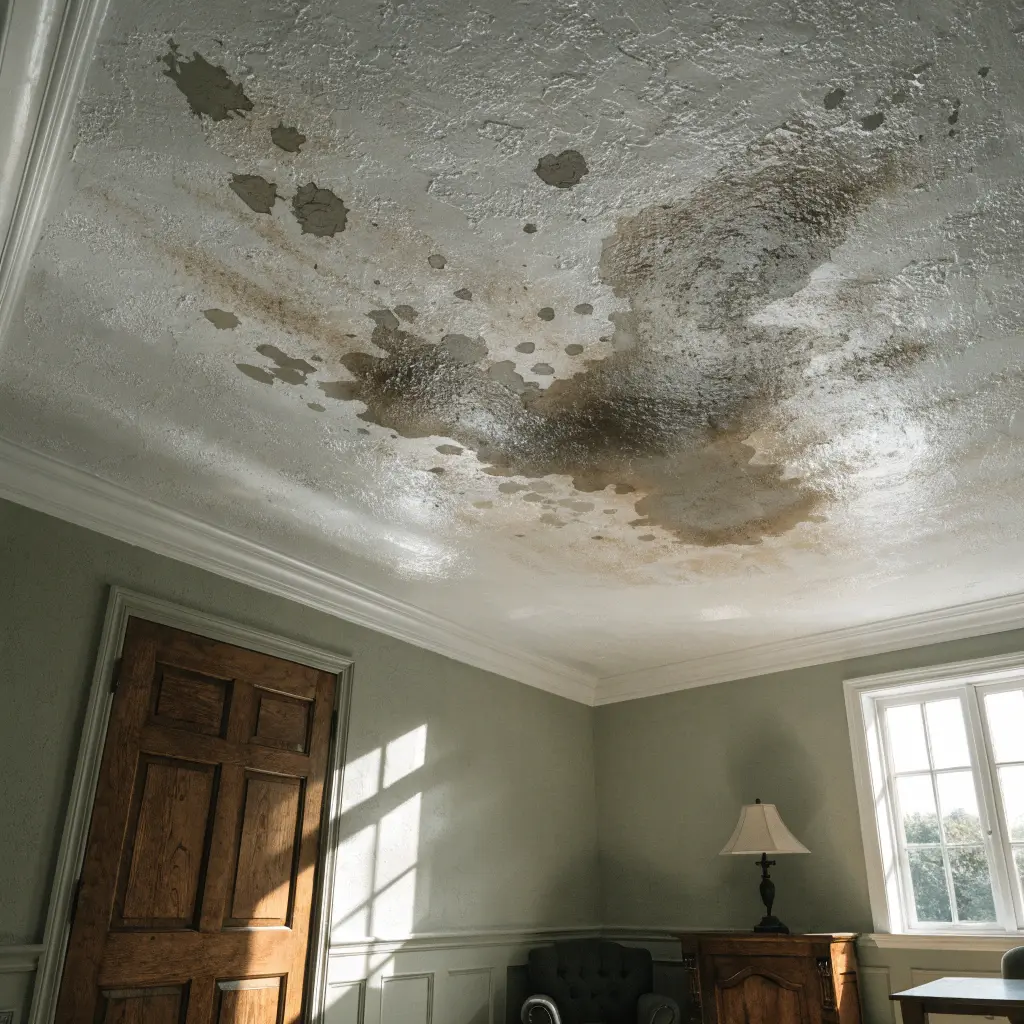
A ceiling stain that returns after a repair usually indicates a problem that was never fully resolved. The stain may have been patched, sealed, or painted over, but the moisture path remained active somewhere above it. That is why recurring stains deserve more attention than a simple cosmetic fix. In many cases, homeowners start looking into roof repair ogden after realizing the same mark keeps showing up even after someone tried to stop it.
What makes these cases frustrating is that the visible stain is often not directly below the true source of the leak. Water can enter through a small opening, move along the decking or framing, and collect in another area before it finally seeps through the ceiling. That disconnect is one of the main reasons a repair attempt may seem successful at first, only for the stain to reappear later.
Surface Fixes Often Ignore the Real Moisture Path
One of the most common reasons ceiling stains return is that the first repair addressed what was easy to see instead of what was actually failing. Repainting a stained ceiling, replacing a small section of drywall, or applying sealant around a suspicious area may improve the appearance for a while. It does not necessarily stop water from entering the structure.
A leak rarely behaves in a neat, predictable way. Moisture can slip under shingles, follow fasteners, move along underlayment, or travel down framing before it becomes visible indoors. That means the stain itself is only evidence of where water ended up, not where it started. If the real entry point stays open, the stain comes back as soon as conditions line up again.
Flashing and Penetration Problems Are Easy to Miss
Recurring stains often start in areas of the roof that are harder to seal properly. Areas like vent pipes, skylights, chimneys, valleys, and roof to wall connections are more likely to develop leak issues because water is forced to move around breaks, edges, and material changes.
Repairs in these spots often fall short when relying solely on sealant. Caulk can dry out, split, or loosen over time. If the flashing underneath is out of place, rusted, or installed poorly, water can still get in. In that case, the patch may cover the symptom for a while, but it does not fix the part that is actually failing.
This is also why roof repair ogden should focus on the condition of the assembly rather than the stain alone. When flashing details are the real problem, the lasting fix usually involves removing materials, inspecting what is underneath, and rebuilding the area correctly.
Water Damage Can Continue Beneath the Surface
When a ceiling stain becomes visible, the problem has often been developing for a while. Water may have already soaked into the roof decking, insulation, rafters, or nearby materials before anything showed on the ceiling. Even after a partial repair, moisture can remain in those areas and continue causing damage out of sight.
That is why a stain that keeps coming back deserves more than a cosmetic fix. It may indicate moisture still trapped above the ceiling or a leak that was never fully resolved. What looks minor from inside the home can reflect a much larger problem in the layers above.
Interior Repairs Do Not Confirm the Leak Is Gone
Another reason stains return is timing. A ceiling may remain dry for weeks after a repair, creating the impression that the problem has been solved. Then a storm hits, snow melts, or water moves through the same vulnerable area again, and the mark returns.
That delay can fool people into trusting a repair that did not hold. Interior materials dry faster than the roofing system above them, especially after patching and repainting. A fresh ceiling surface says very little about whether the roof is watertight. It only says the visible evidence was covered.
This matters because many repeat stains happen after a repair that was judged successful too early. Without tracing the source, testing vulnerable areas, or checking for hidden moisture, it is easy to mistake temporary dryness for a complete fix.
Poor Inspection Leads to Repeat Problems
Many repeated leak problems stem from an incomplete inspection. If the first repair focused only on the most obvious area, there is a good chance the real source was missed. A stain may appear in one spot while water is entering from a nearby source that is harder to see.
Finding the source takes more than a quick look at the surface. Shingles, flashing, roof penetrations, valleys, and attic spaces all need to be checked carefully. Signs of moisture below the outer layer often reveal more than the stain itself.
Recurring stains often happen when a repair stops at the first likely explanation. A small patch may cover one weak point, but if water is coming in through a separate opening or moving because of a larger drainage problem, the stain will return.
Repeated Stains Can Point to Broader Roof Decline
Not every recurring stain requires a full replacement, but repeated problems can be a sign that isolated fixes are no longer enough. If materials are aging across multiple areas, if flashing failures are happening in more than one location, or if previous repairs have not lasted, the ceiling stain may be part of a broader pattern rather than a single defect.
That does not mean every stain should trigger a major project. It does mean homeowners should view a repeat stain as evidence worth investigating more seriously. A small interior mark can indicate more extensive wear in the roofing system, especially when the same problem recurs after an earlier attempt to fix it.
The Right Repair Solves the Cause, Not Just the Mark
A ceiling stain that keeps coming back usually means moisture is still entering the structure or was never fully addressed in the first place. The visible damage inside is only the final stage of a longer process happening above it. Until that process is traced and corrected, the stain remains likely to return.
The most reliable repair is the one that identifies the true entry point, checks for hidden damage, and restores the affected section so it performs as part of the full roofing system. When that happens, the repair does more than improve appearance. It stops the reason the stain formed in the first place.