 By Admin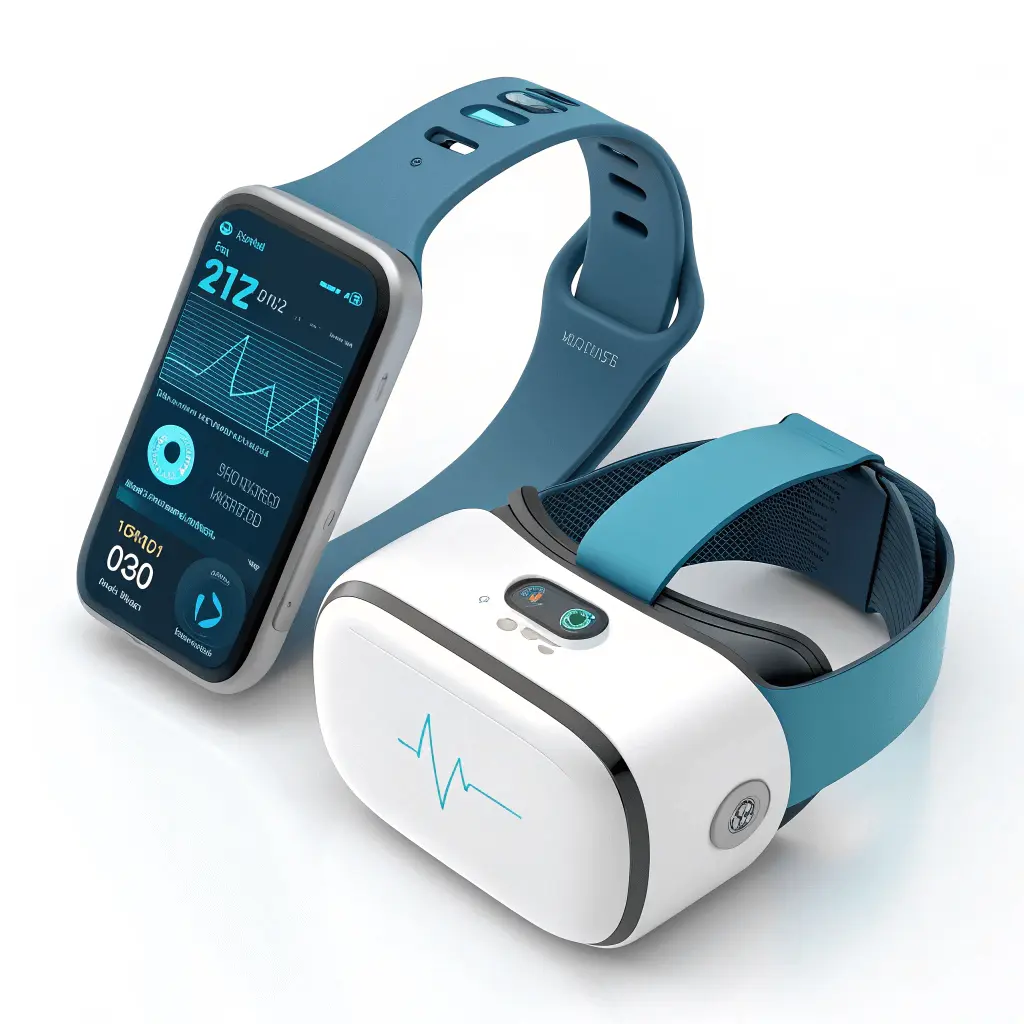
Technology plays a growing role in health and wellness. Wearable fitness trackers, home blood pressure monitors, and other devices help people track their health, monitor progress, and make informed lifestyle choices. Not all devices are equally reliable, however. Using inaccurate or poorly designed tools can lead to stress, misinformed decisions, or even health risks. Understanding what makes a device trustworthy can help you choose tools that support your wellness.
Why Accuracy Matters in Health Devices
Accuracy is the foundation of any health device. Small errors in readings, whether for heart rate, glucose levels, or sleep tracking, can affect decisions about exercise, diet, and daily habits. For example, an overestimated step count might lead to undertraining, while inaccurate sleep data could create unnecessary worry.
Reliable devices undergo multiple stages of development to ensure that measurements are consistent and dependable. Accurate readings allow users to trust the information and set realistic goals that support long-term wellness.
The Role of Design and Usability
Even a highly accurate device will not be effective if it is difficult to use. Human-centered design is crucial. Devices should be intuitive, simple to operate, and comfortable for daily wear.
Wearables, such as fitness trackers or heart monitors, must fit into everyday life. Devices that irritate the skin, require frequent adjustments, or have complicated interfaces are unlikely to be used consistently. Clear displays, straightforward apps, and ergonomic designs make it easier for users to integrate these devices into routines. Usability is just as important as accuracy when choosing reliable health technology.
Testing and Validation
Testing is a crucial part of making health devices reliable. Devices are evaluated in lab settings and in real-world conditions to ensure they perform accurately and consistently. This includes checking functionality, identifying potential errors, and making improvements based on user feedback.
The principles of medical device product development highlight how design, testing, and iterative refinement work together to create devices that are both safe and dependable. Understanding these development stages explains why some devices perform better than others and why careful validation is essential for everyday use.
Validation also includes stress-testing devices for durability and consistent performance. Wearables, home monitors, and other wellness tools must maintain accuracy over time, even with repeated use or varying conditions. Knowing that a device has undergone thorough testing gives users confidence in the reliability of their health tech.
Regulatory Standards and Certifications
Regulatory standards and certifications further ensure device safety and reliability. Devices that meet FDA approval, ISO standards, or other recognized benchmarks have been evaluated for accuracy, usability, and safety.
Not all wellness devices undergo full regulatory review, but those that do offer a higher level of confidence. Certifications indicate that a device meets strict requirements and has been verified through rigorous protocols. For consumers, these markers provide reassurance that the device will deliver consistent results.
Maintenance and Updates
Reliability continues after purchase. Regular maintenance, software updates, and proper calibration keep devices accurate. Sensors can degrade over time, and updates often improve functionality or fix errors.
Practical steps include:
- Checking for updates.
- Cleaning components as recommended.
- Replacing batteries or worn parts.
Following these practices ensures devices continue to deliver reliable data and remain useful tools in supporting health and wellness routines.
Choosing Health Devices You Can Trust
When selecting health technology, consider accuracy, usability, testing, regulatory compliance, and ongoing support. Research devices before purchasing by reviewing specifications, independent testing results, and user experiences.
Devices should fit your lifestyle and wellness goals. A highly accurate device that is difficult to use may end up unused. By balancing technical quality with ease of use, you can select tools that provide meaningful insights and help you stay on track with your health objectives.
Staying Confident in Your Health Tech
Trustworthy health devices give users confidence in their wellness journey. Accuracy, thoughtful design, thorough testing, and proper maintenance combine to create tools that inform decisions rather than create confusion. Understanding how devices are developed, validated, and supported helps consumers make smart choices and avoid products that fail to meet their needs.
Using reliable devices in daily life supports long-term wellness by providing accurate feedback, reinforcing healthy habits, and offering insight into your body’s needs. Careful selection and proper use make health technology a dependable partner in maintaining personal health goals.