 By Admin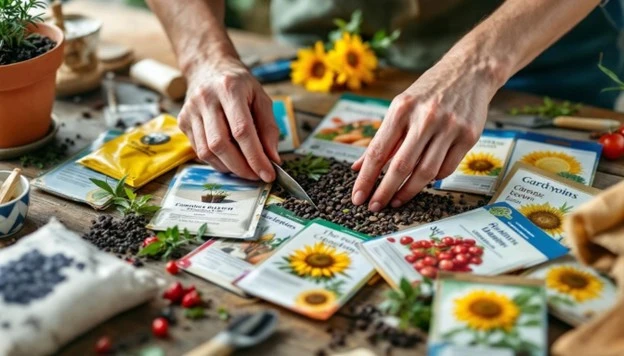
Starting a garden from seed is a rewarding experience that offers control over plant varieties, timing, and quality. Yet the process can be daunting without a solid understanding of how to properly select, store, and start seeds. Whether you’re planting tomatoes, lettuces, or native wildflowers, the basics of seed care are universal and crucial for success.
How to Choose the Right Garden Seeds
Choosing the right garden seeds begins with knowing your garden’s environment and your personal goals. Climate, soil type, and the length of your growing season all influence which seeds will thrive. For example, if you live in a region with a short summer, selecting fast-maturing varieties ensures you’ll see a harvest before the first frost.
Another key consideration is seed quality. Look for seeds from reputable suppliers who provide clear information about the variety, germination rates, and any treatments applied. Seeds labeled as “heirloom” often appeal to gardeners interested in preserving traditional varieties, while “hybrid” seeds can offer disease resistance and higher yields. Understanding these distinctions helps you pick seeds that align with your expectations.
Pay attention to the seed packet details. The packet usually includes planting depth, spacing recommendations, and days to maturity. These instructions are based on extensive testing and can be invaluable for maximizing success. If you’re new to gardening, starting with easy-to-grow seeds like radishes, beans, or marigolds can build confidence before tackling more challenging plants.
Seed Storage and Germination Best Practices
Proper seed storage extends viability and ensures a higher germination rate at planting time. Seeds are living organisms that remain dormant until conditions are right for growth. Exposure to heat, moisture, and fluctuating temperatures can quickly degrade seeds.
To store seeds effectively, keep them in a cool, dry, and dark place. A sealed container with a desiccant packet or a packet of dry rice can help absorb excess moisture. Refrigerators are often ideal for storage because they maintain consistent cool temperatures. However, avoid storing seeds in the freezer unless you are certain the seeds are dry enough to withstand freezing without damage.
Before planting, test seed viability by performing a germination test. Place 10 seeds on a damp paper towel, fold it, and keep it in a warm spot. Check after a week or two to see how many seeds sprouted. This simple step can save time and frustration by identifying which seed packets are still good and which might need replacing.
When starting seeds, the right medium and conditions are essential. Use a sterile seed-starting mix rather than garden soil to reduce disease risk and improve drainage. Maintain consistent moisture without waterlogging the seeds. A humidity dome or plastic cover can help retain moisture while seeds germinate. Light requirements vary by species; some seeds need darkness to sprout, while others need light, so check the seed packet instructions carefully.
Temperature also plays a critical role. Most seeds germinate best between 65°F and 75°F. Using a seedling heat mat can provide bottom heat to encourage faster and more uniform germination, especially in cooler climates or during early spring.
Once seedlings emerge, they need plenty of light to grow strong and healthy. A sunny south-facing window or supplemental grow lights can prevent seedlings from becoming leggy and weak. Gradually acclimating seedlings to outdoor conditions, a process called hardening off, prepares them for transplanting into the garden.