 By Admin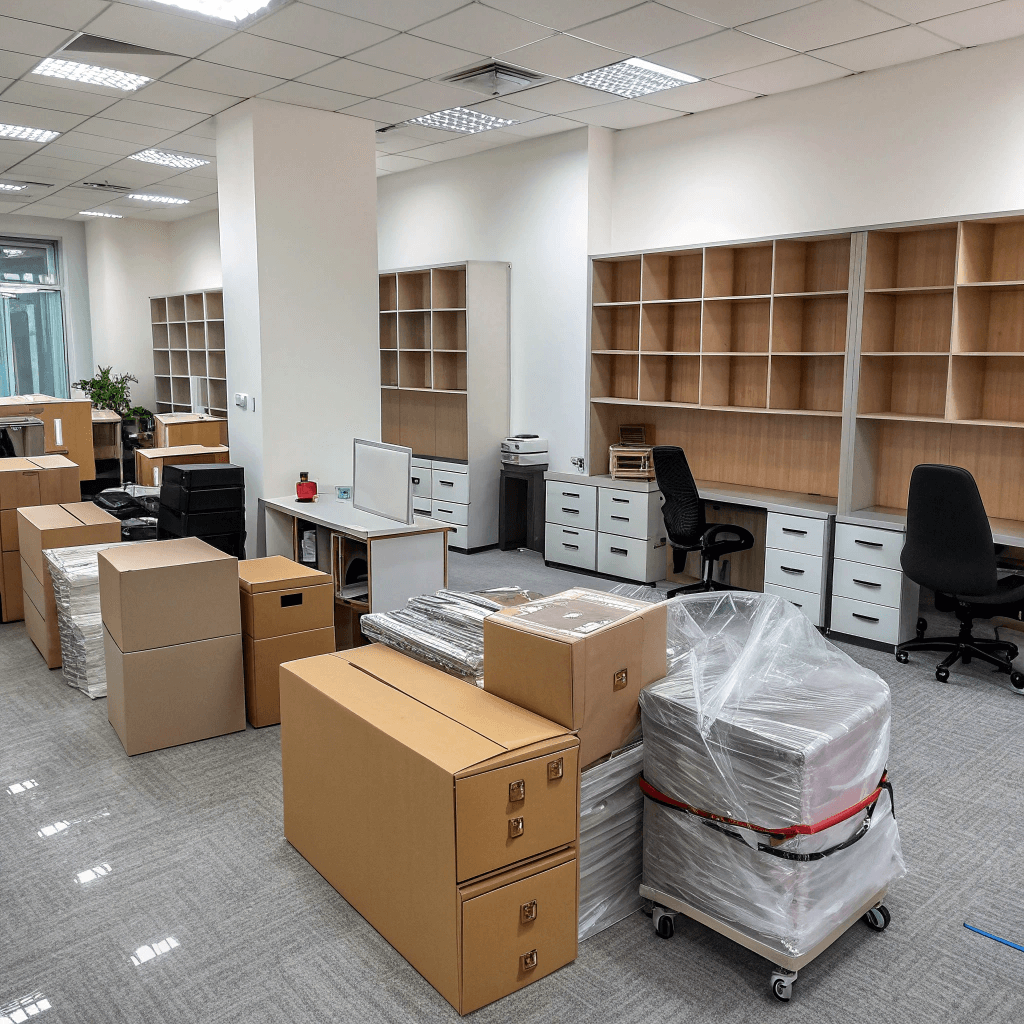
Meticulous planning is required for long-distance office relocations, and moving day is the culmination of weeks or months of preparation. Even with detailed schedules, it is important to double-check key elements to prevent delays, loss of items, and operational disruption. Paying careful attention to these details ensures that the move will proceed smoothly and that the office can quickly resume operations at the new location.
1. Inventory and labeling
Ensure that all boxes, equipment, and furniture are labeled correctly and accounted for. This includes checking that fragile or sensitive items, such as electronics, servers, and laboratory equipment, are clearly marked and stored according to priority. Cross-referencing items with the inventory list helps ensure nothing is left behind, misplaced, or loaded incorrectly.
2. Loading sequence and logistics
Verify that the movers https://bestmovescalgary.ca/long-distance-moving-services/ are following the planned loading sequence. Items that will be needed first at the new office, such as essential IT equipment or reception furniture, should be easily accessible. Using the correct truck or trailer for different departments or types of cargo prevents unnecessary handling and potential damage. For long-distance moves, securely positioning and balancing oversized or heavy items reduces the risk of them shifting during transit.
3. IT and Electronics Management
Properly power down, disconnect, and package servers, workstations, and other critical electronic devices. Secure backup systems, data storage devices, and cables in clearly labeled containers. Have IT personnel present to oversee the safe handling and transportation of equipment to minimize the risk of data loss or damage.
4. Safety and Building Access
Ensure that the locations from which items are being moved and to which they are being moved are prepared for the move. At the office being vacated, confirm that elevator reservations are in place, pathways are clear, and loading docks are available. At the destination, confirm that truck access, parking, and elevator usage are arranged. Implement safety measures, such as protective floor coverings and handrails, to prevent injury or damage.
5. Documentation and Communications
Keep copies of all contracts, permits, and contact details for the moving company and building management. Having immediate access to these documents will help you resolve any unforeseen issues, such as delays, extra charges, or missing items. Maintain open communication with the movers to clarify instructions and address questions as they arise.
6. Final walkthrough
Conduct a final inspection of the old office to ensure that nothing has been left behind and that all utilities have been disconnected or transferred. At the new office, verify that deliveries match the inventory, noting any discrepancies or damage. This step promotes accountability and provides a record for insurance purposes.
Checking these elements twice on moving day minimizes risk, protects assets, and ensures a more efficient long-distance office relocation, allowing the business to resume normal operations without unnecessary interruptions.